




Start With Insulation and Draft Proofing
Improving insulation is one of the most cost-effective upgrades available. Proper insulation keeps heat in during winter and out during summer, reducing heating and cooling costs year-round. Draft proofing doors, windows, and vents is inexpensive and often delivers immediate results.
Upgrade to Energy-Efficient Lighting
Switching to LED lighting is a simple upgrade with fast payback. LEDs use significantly less energy and last much longer than traditional bulbs. Replacing high-use lights throughout your home can noticeably reduce electricity bills over time.
Modern Heating and Cooling Systems
Old heating and cooling systems are often inefficient and expensive to run. Upgrading to modern, energy-efficient boilers, heat pumps, or air conditioning systems can reduce energy consumption significantly. While the upfront cost is higher, long-term savings and improved reliability often justify the investment.
Smart Thermostats and Controls
Smart thermostats allow you to manage energy use more efficiently by adjusting heating and cooling based on your schedule. These devices help avoid unnecessary energy use and often pay for themselves through reduced utility bills.
Energy-Efficient Appliances
When replacing appliances, energy efficiency ratings matter. Modern refrigerators, washing machines, and dishwashers use less energy and water while performing better. Over time, lower operating costs offset the initial purchase price.
Window Upgrades and Treatments
Upgrading windows or adding energy-efficient window treatments helps reduce heat loss and gain. Double or triple glazing improves insulation, while curtains and blinds add another layer of protection. These upgrades improve comfort and reduce energy usage.
Solar Panels and Renewable Options
For some homeowners, solar panels offer long-term savings and increased energy independence. While installation costs can be high, incentives and long-term energy savings may make solar a worthwhile investment, depending on location and usage.
Monitor and Adjust Energy Use
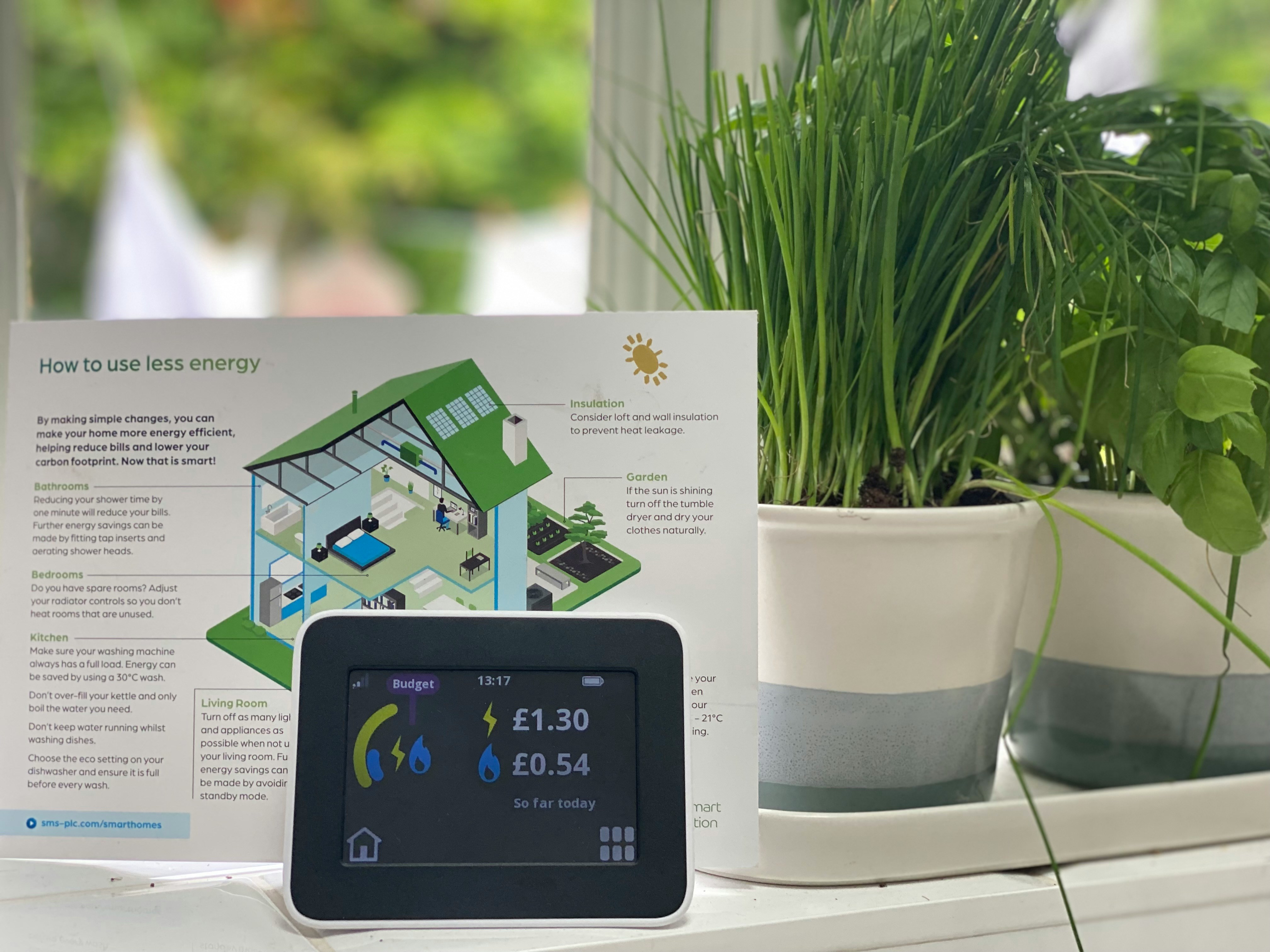
Tracking energy consumption helps identify waste. Monitoring usage patterns allows you to make small adjustments that lead to ongoing savings without major upgrades.
Energy Efficiency Increases Property Value
Energy-efficient homes are increasingly attractive to buyers. Lower running costs and sustainability features add value and improve market appeal.
__thumb__500x500__70__991d97d0a9baa84fc84403798c3f5115.jpg)