





How the Microbiome Works
A healthy gut microbiome contains a diverse mix of “good” bacteria that aid digestion, produce vitamins, and support immune function. Diets high in fiber, fruits, and fermented foods nourish these bacteria. Conversely, processed foods, stress, and antibiotics can deplete them, leading to inflammation and discomfort.
The Mood Connection
About 90% of the body’s serotonin — a mood-regulating neurotransmitter — is produced in the gut. Research links microbiome imbalance with conditions like anxiety and depression. Balanced gut health, therefore, supports emotional stability as well as digestion.
Improving Gut Function
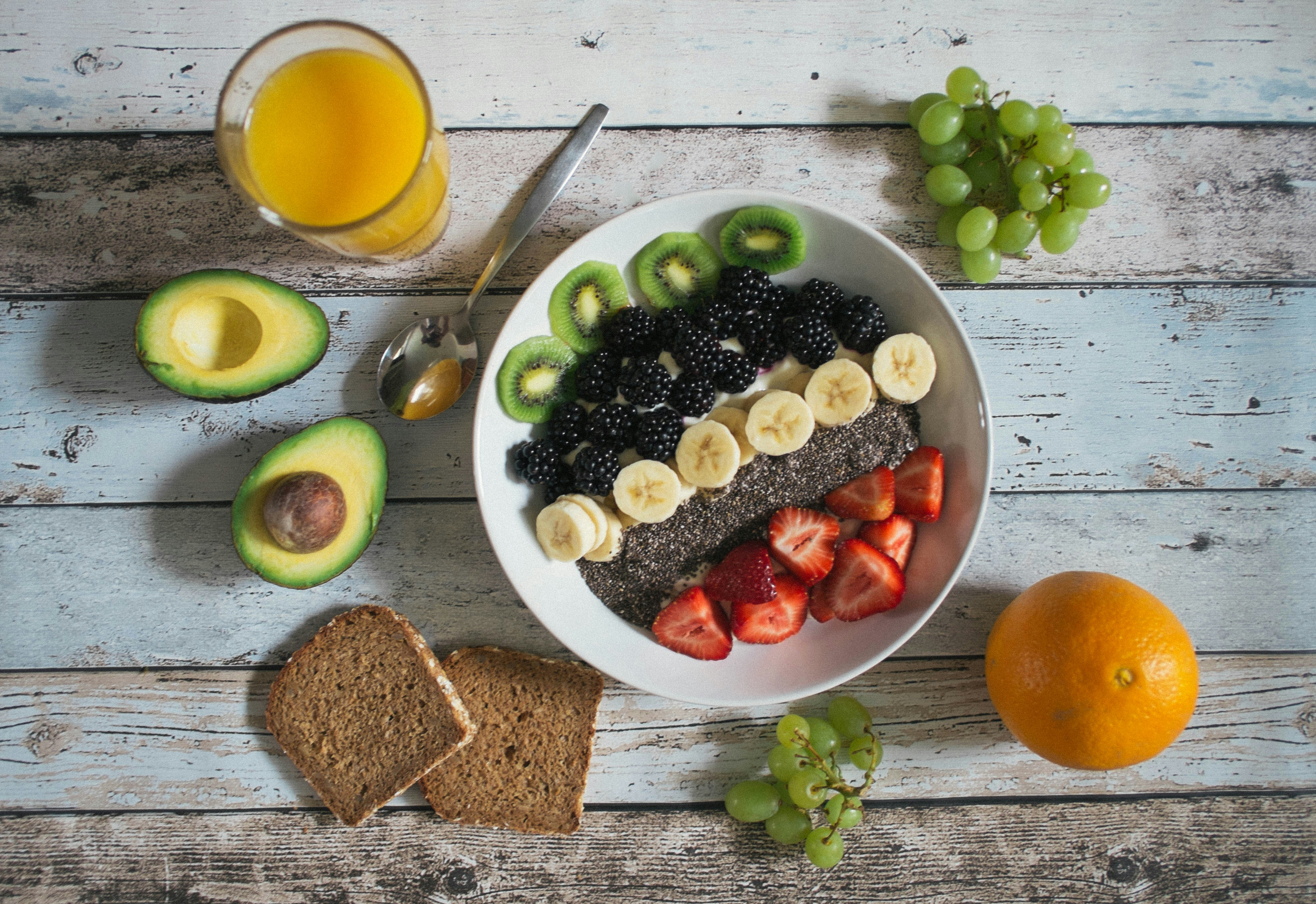
Include probiotic-rich foods such as yogurt, kefir, sauerkraut, and kimchi. Prebiotic fibers from bananas, oats, and legumes feed beneficial bacteria. Stay hydrated, manage stress, and avoid excessive sugar or alcohol.
When to Seek Help
Persistent bloating, irregularity, or abdominal pain may signal intolerance or gut disorders like IBS. Consulting a doctor or nutritionist can clarify triggers and guide treatment.
__thumb__500x500__70__991d97d0a9baa84fc84403798c3f5115.jpg)