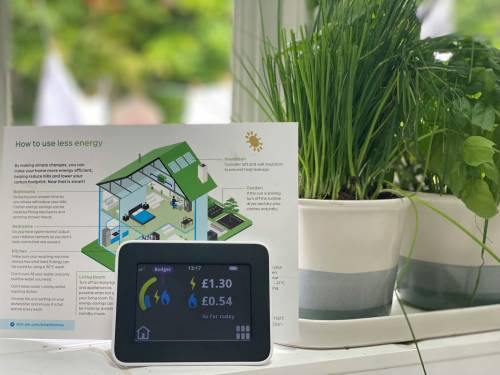






Step 1: Track and Categorize
Start by documenting your expenses for one month. Break them into fixed (rent, utilities) and variable (groceries, entertainment) categories. Use budgeting apps or a simple spreadsheet to see where money leaks. Awareness is the first step toward improvement.
Step 2: Apply the 50/30/20 Rule
This framework divides income into three buckets:
-
50% for needs — housing, food, bills.
-
30% for wants — dining out, hobbies, entertainment.
-
20% for savings or debt repayment.
Adjust as necessary depending on your goals and cost of living, but ensure saving remains non-negotiable.
Step 3: Automate and Adjust
Automate bill payments and savings transfers. This removes temptation and guarantees progress. Review your budget monthly; life changes, and your plan should evolve too. If expenses outpace income, cut variable costs first before touching essentials.
Step 4: Build Flexibility
Rigid budgets often fail because they leave no room for joy or emergencies. Add a “miscellaneous” category for small surprises and celebrate financial wins — like meeting a savings milestone — to stay motivated.
__thumb__500x500__70__991d97d0a9baa84fc84403798c3f5115.jpg)