




Recognize the Most Common Types of Scams
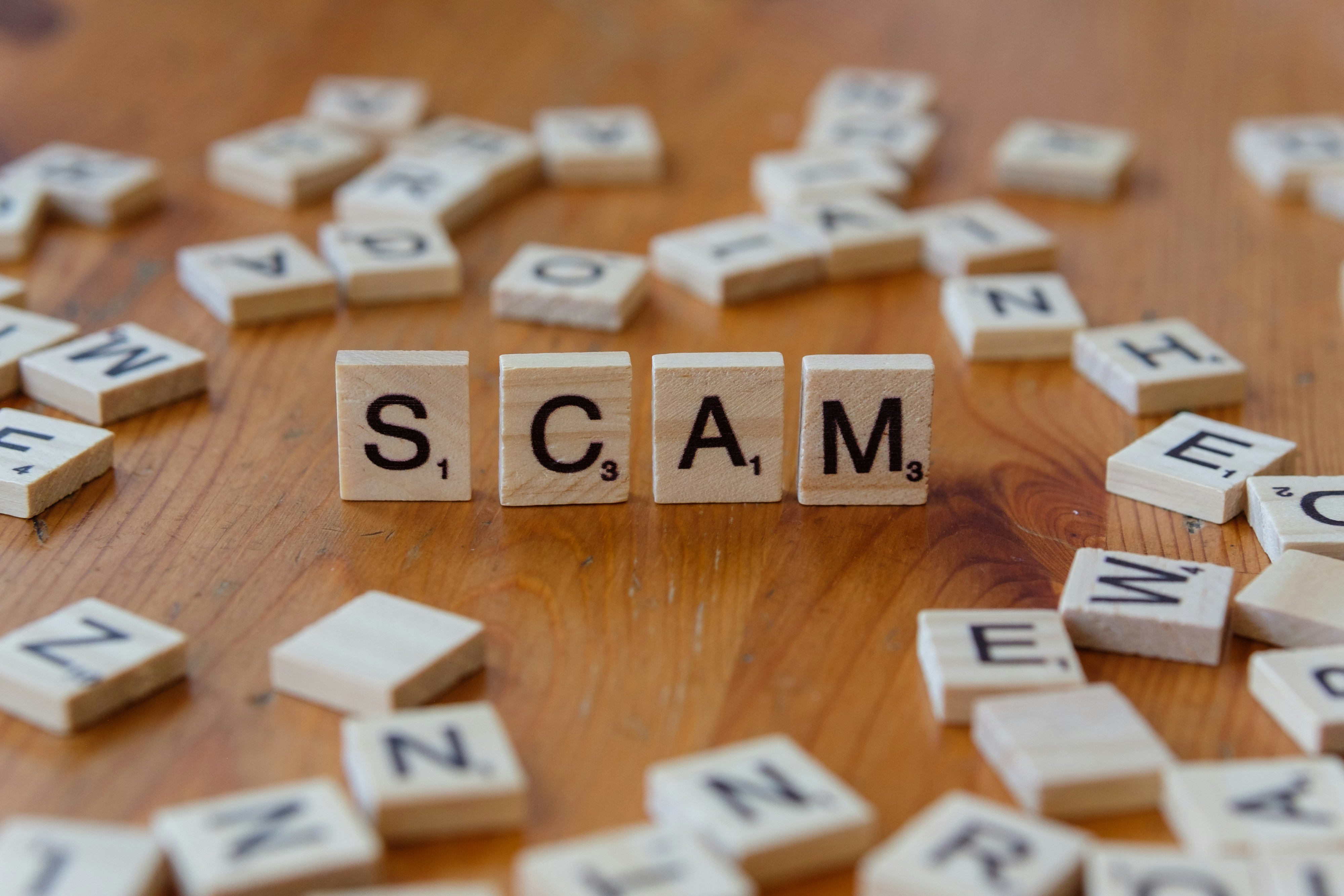
Scammers use patterns that repeat again and again. When you can spot the signs, you’re far less likely to fall for them.
Common scams include:
-
Phishing emails or texts pretending to be banks, delivery companies, or government services
-
Fake online stores offering big discounts or unrealistic prices
-
Social media impersonation, including fake accounts pretending to be friends, family, or influencers
-
Investment scams promising quick, guaranteed returns
-
Account takeover attempts, where scammers try to access your login details
Most scams rely on urgency, fear, or excitement to get you to act without thinking.
Never Click on Unknown Links
One of the easiest ways scammers access your information is through links sent by text, email, or direct message. If you didn’t expect the message or you’re unsure who sent it, do not click.
Instead:
-
Visit the company’s website directly
-
Log in through your app, not the message
-
Delete the message if it feels suspicious
A few seconds of caution can prevent a major problem.
Use Strong, Unique Passwords
Weak passwords make it easy for scammers to access your accounts. Use strong, unique passwords for:
-
Banking
-
Email
-
Shopping accounts
-
Social media
If remembering them is difficult, use a password manager — it creates secure passwords and stores them for you.
Turn On Two-Factor Authentication
Two-factor authentication (2FA) adds a second layer of protection by requiring a code sent to your phone or generated by an app. Even if someone learns your password, they can’t access your account without the code.
Turn on 2FA for:
-
Bank accounts
-
Email
-
Social platforms
-
Payment apps
It’s one of the most effective tools for preventing fraud.
Question Anything That Feels Urgent
Scammers rely on emotional pressure to get quick reactions. If a message says:
-
“Act now or your account will be closed”
-
“You owe immediate payment”
-
“Click here to confirm your delivery”
Pause and check the source. Real companies rarely use threatening or urgent language. Taking a moment to breathe and think often reveals the scam.
Shop Only Through Trusted Websites
Before buying anything online, especially from new stores, look for:
-
Secure checkout (“https” in the URL)
-
Real reviews
-
Clear return policies
-
Verified contact information
Be careful with deals that seem too good to be true — they usually are.
Protect Your Personal Information
Avoid sharing sensitive details in texts, emails, or social media messages. Legitimate companies will never ask for your password, PIN, or full card details through chat or email. If someone asks, it’s a scam.
Monitor Your Accounts Regularly
Check your bank statements, credit card activity, and online accounts frequently.
Look for:
-
Unknown charges
-
Login alerts
-
Suspicious messages
Catching fraud early makes it much easier to resolve.
__thumb__500x500__70__991d97d0a9baa84fc84403798c3f5115.jpg)