





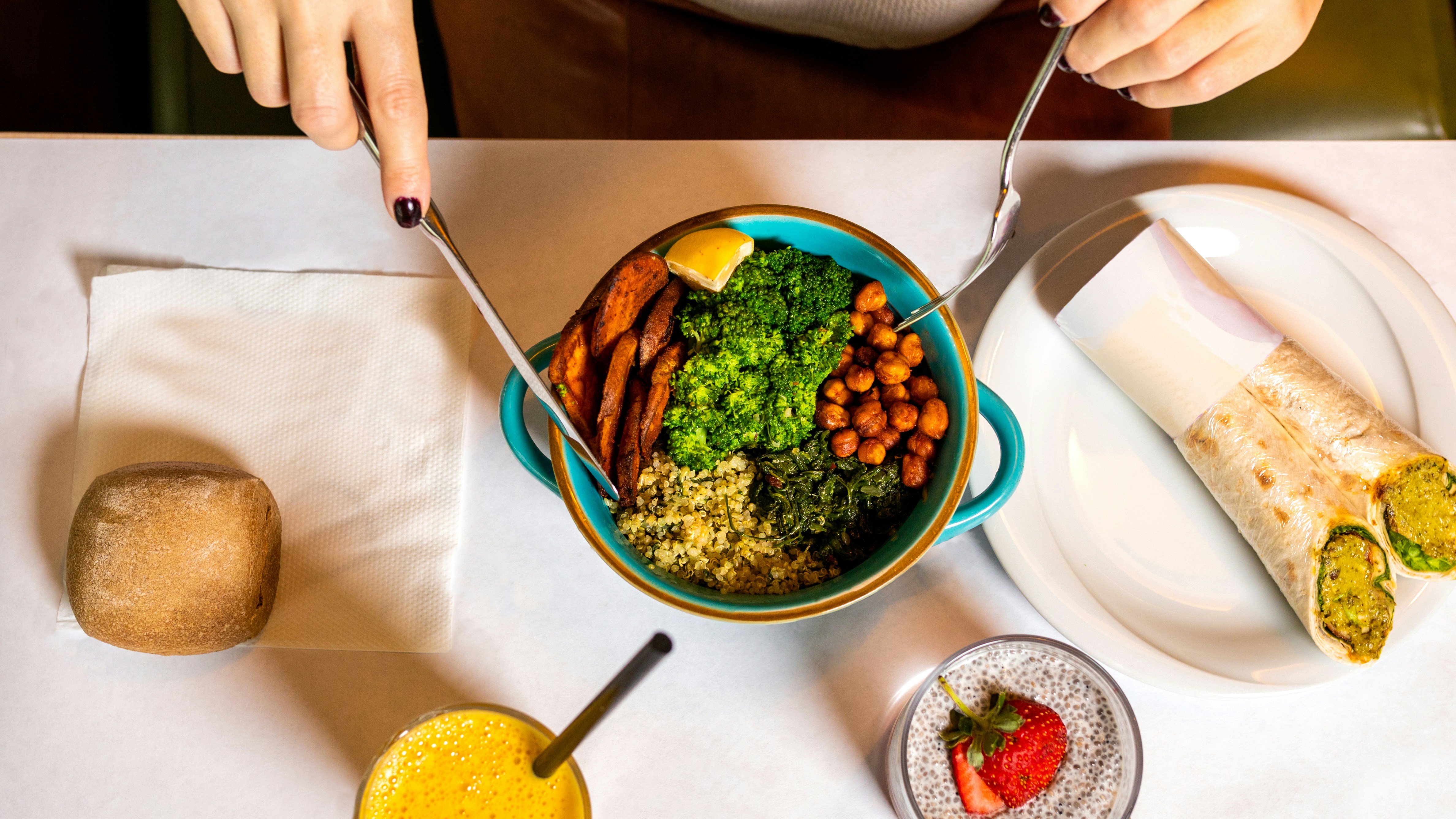
Pre-session fueling aims to provide available carbohydrate and avoid gastrointestinal distress. For most athletes, a balanced meal two to three hours before training—carb source, lean protein, a small amount of fat—is effective. Closer to start time, easily digestible carbs (toast, fruit, yogurt) can top up energy without heaviness. Hydration begins early; pale urine is a practical cue.
During prolonged or high-intensity sessions, small carbohydrate intakes can sustain output. The exact amount depends on duration and gut training—regular practice helps the intestine absorb more without discomfort. Electrolytes matter in heat or heavy sweaters to support fluid balance.
Post-session, timing is helpful but not everything. Within a couple of hours, a meal containing protein supports muscle repair, while carbohydrates replenish glycogen. Spacing protein across the day—breakfast included—often beats back-loading at dinner. Fiber and micronutrients from vegetables, legumes, and fruit support gut health and immune function, indirectly protecting training availability.
Daily life matters. Sleep quality improves appetite regulation; stress can alter cravings and digestion. Athletes benefit from routine shopping lists, batch cooking, and portable snacks to avoid long gaps between meals. Travel adds complexity—planning becomes performance insurance: pack shelf-stable options, research venues, and carry a refillable bottle.
Supplements can fill gaps but should not replace food. Vitamin D in low-sun climates, iron monitoring for endurance athletes—particularly females—and omega-3s for those with low fish intake are common considerations under professional guidance. Caffeine aids alertness and effort perception for some; others experience jitters. Trial in training, not on competition day.
__thumb__500x500__70__991d97d0a9baa84fc84403798c3f5115.jpg)