




What’s the Difference Between Saving and Investing?
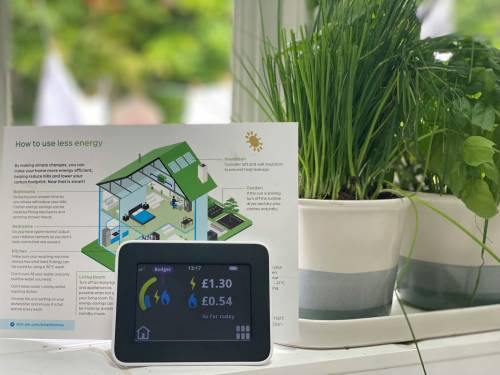
Saving is setting money aside in safe places like savings accounts or emergency funds. The goal is security and easy access.
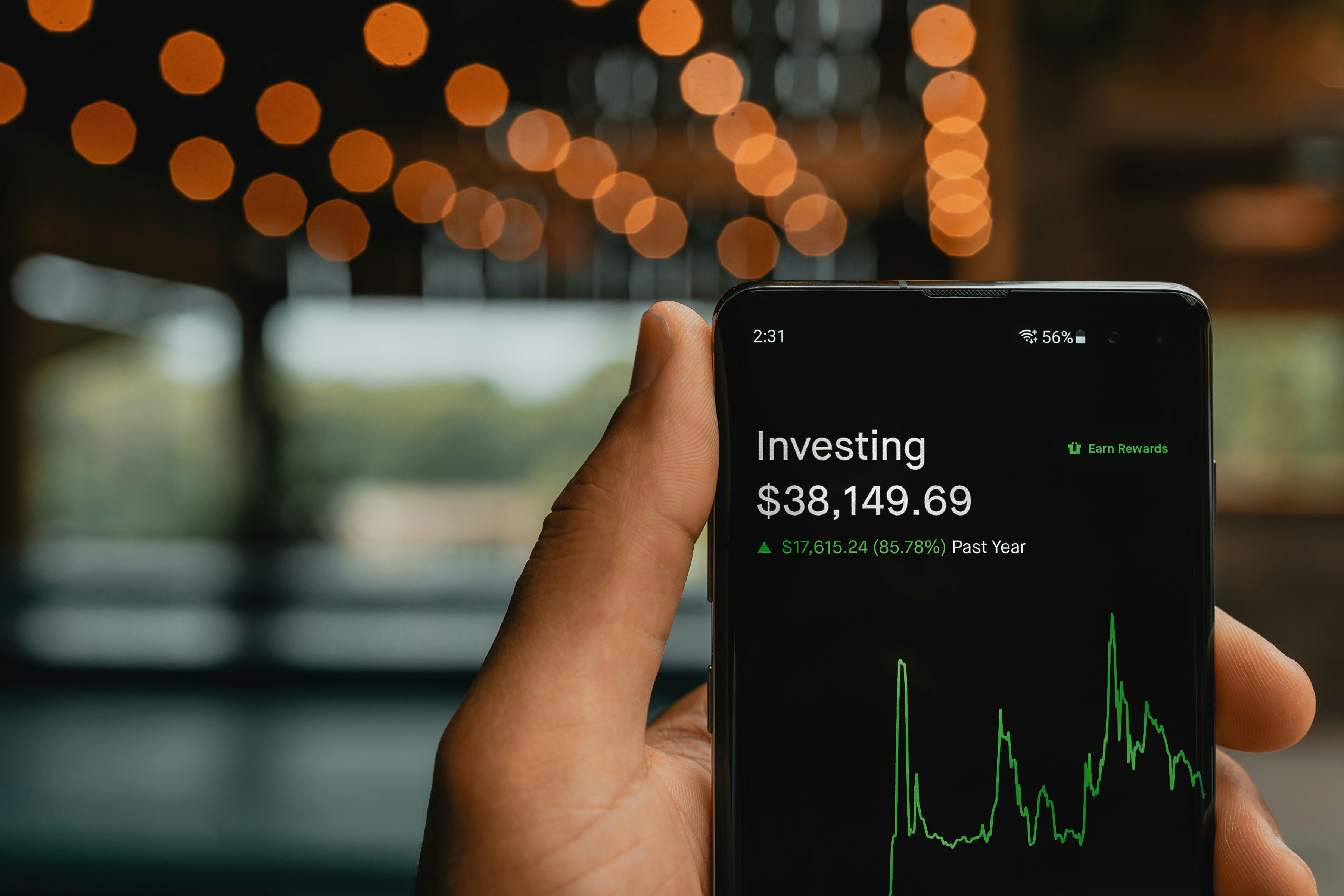
Investing is putting money into assets like stocks, bonds, or funds that can grow over time but also carry some risk. The goal is long-term growth, not immediate access.
Think of saving as protection and investing as progress — they work together, not against each other.
Start With an Emergency Fund
Before you invest, financial experts agree on one thing: build your emergency fund first. This is money you can access quickly for unexpected expenses like car repairs, medical bills, or job changes.
A good emergency fund is:
-
3 to 6 months of essential expenses
-
Kept in a high-yield savings account
-
Easy to access but not used for everyday spending
Without this safety net, you risk withdrawing investments early — which can lead to losses.
When to Prioritize Saving
Saving comes first when your short-term needs or goals are important. You should focus on saving if:
-
You don’t have an emergency fund yet
-
You expect big expenses soon (moving, travel, home repairs
-
You want to avoid debt
-
Your income is unpredictable
Saving gives stability and reduces financial stress. It prepares you for life’s surprises so you don’t turn to high-interest loans or credit cards.
When to Start Investing
Once your savings foundation is set, it’s time to invest. Investing helps your money grow faster than regular savings because of compound returns — earning returns on both your initial amount and your past gains.
You should invest if:
-
Your emergency fund is complete
-
You have money you won’t need for several years
-
You want long-term growth (retirement, future home, financial independence)
Investing is designed for the long run. The more time you give your investments, the more room they have to grow.
How to Balance Saving and Investing
You don’t have to choose one forever — most people do both at the same time once their foundation is secure.
A simple plan is:
-
Build your emergency fund
-
Save for short-term goals
-
Invest for long-term goals
This ensures you’re protected today while building wealth for tomorrow.
Common Mistakes to Avoid
-
Investing with no emergency fund: You may need to sell during a downturn.
-
Saving everything: Your money won’t grow enough to beat inflation.
-
Investing money you need soon: Short timelines don’t handle market ups and downs well.
Avoiding these mistakes keeps your financial plan steady and realistic.
How to Get Started With Investing
You don’t need a lot of money. Even small monthly contributions add up over time. Start with:
-
Low-risk index funds
-
Retirement accounts
-
Automatic deposits into investment platforms
Keep it simple and consistent.
__thumb__500x500__70__991d97d0a9baa84fc84403798c3f5115.jpg)