




Everyday Efficiency
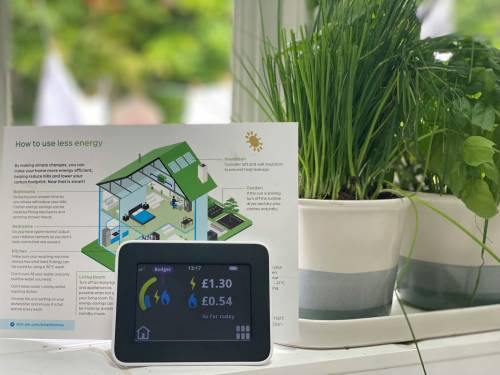
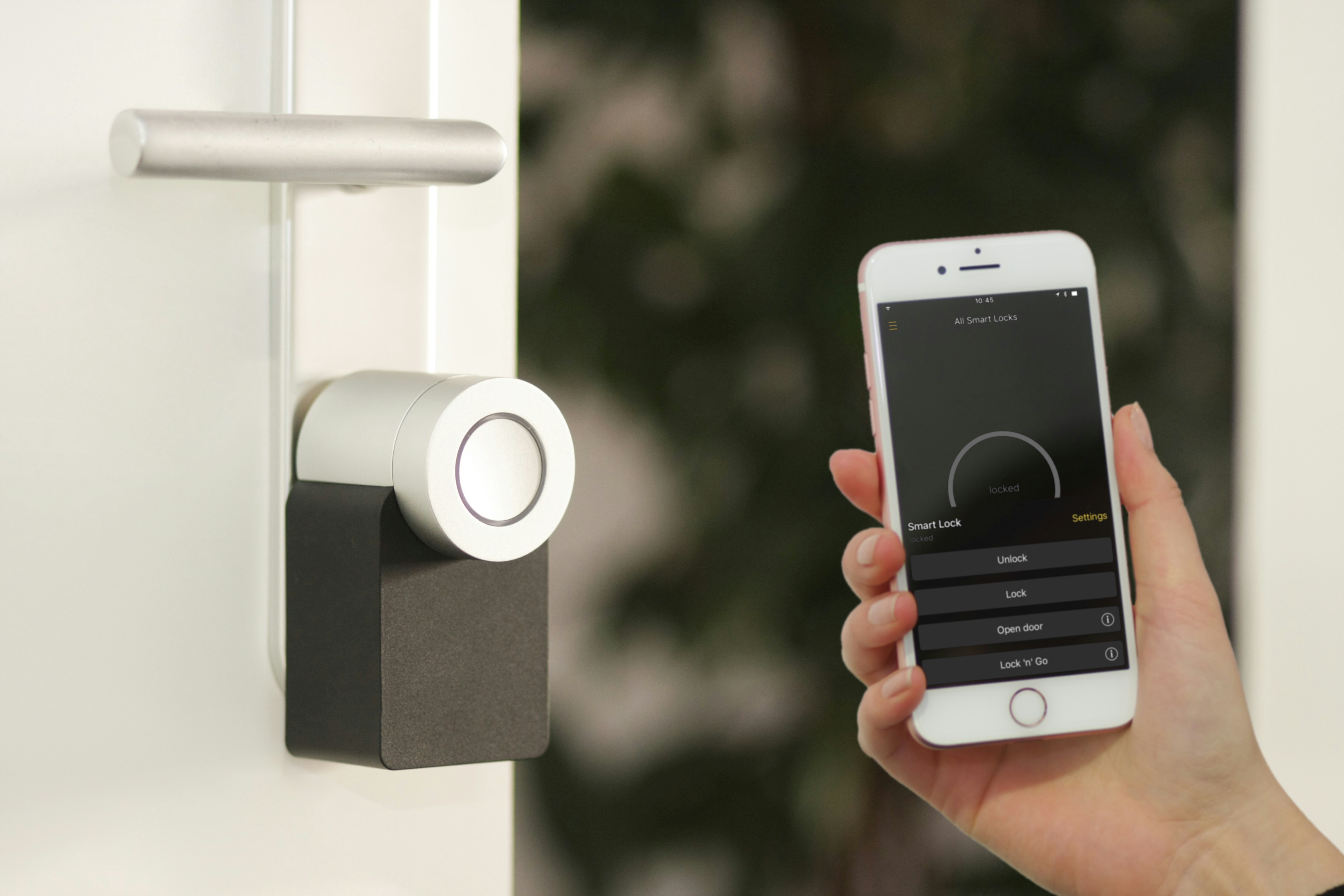
Smart thermostats adjust heating and cooling automatically, learning your habits to maintain comfort while minimizing energy use. Some even adapt to the weather forecast, pre-heating or cooling your home in anticipation. Security cameras now offer motion detection and two-way audio, sending instant alerts to your phone for peace of mind. Automated lighting systems not only reduce electricity waste but can mimic occupancy when you’re away, enhancing security. App-controlled appliances — from washing machines to coffee makers — let you manage household tasks remotely. Together, these systems save time, lower bills, and add convenience without compromising safety.
Affordability and Access
Once reserved for luxury homes, smart technology has entered the mainstream. Devices like plugs, bulbs, and speakers connect wirelessly through existing Wi-Fi networks, eliminating the need for costly professional installations. Entry-level kits allow homeowners to start small and scale up as needs evolve — lighting today, security or temperature control tomorrow. Compatibility between brands has also improved, with platforms like Alexa, Google Home, and Apple HomeKit centralizing control into one interface. As competition grows, prices continue to drop, making smart living accessible to renters and homeowners alike.
Privacy and Security
The convenience of smart homes comes with digital responsibility. Because these devices collect and transmit personal data, protecting networks is essential. Experts advise using encrypted Wi-Fi, strong passwords, and two-factor authentication wherever possible. Regular firmware updates close security gaps, while separating smart devices on a secondary network limits exposure if one is compromised. Users should also review data-sharing settings — many devices transmit usage information to manufacturers by default. Awareness and simple precautions can preserve both privacy and performance.
Looking Ahead
The next evolution of smart homes will be integration, not just automation. Artificial intelligence is already enabling homes that anticipate needs — adjusting lighting to match mood, monitoring air quality, or alerting homeowners about energy inefficiencies. Sustainability will play a larger role, too, as energy-saving automation becomes central to climate-conscious living.
__thumb__500x500__70__991d97d0a9baa84fc84403798c3f5115.jpg)