





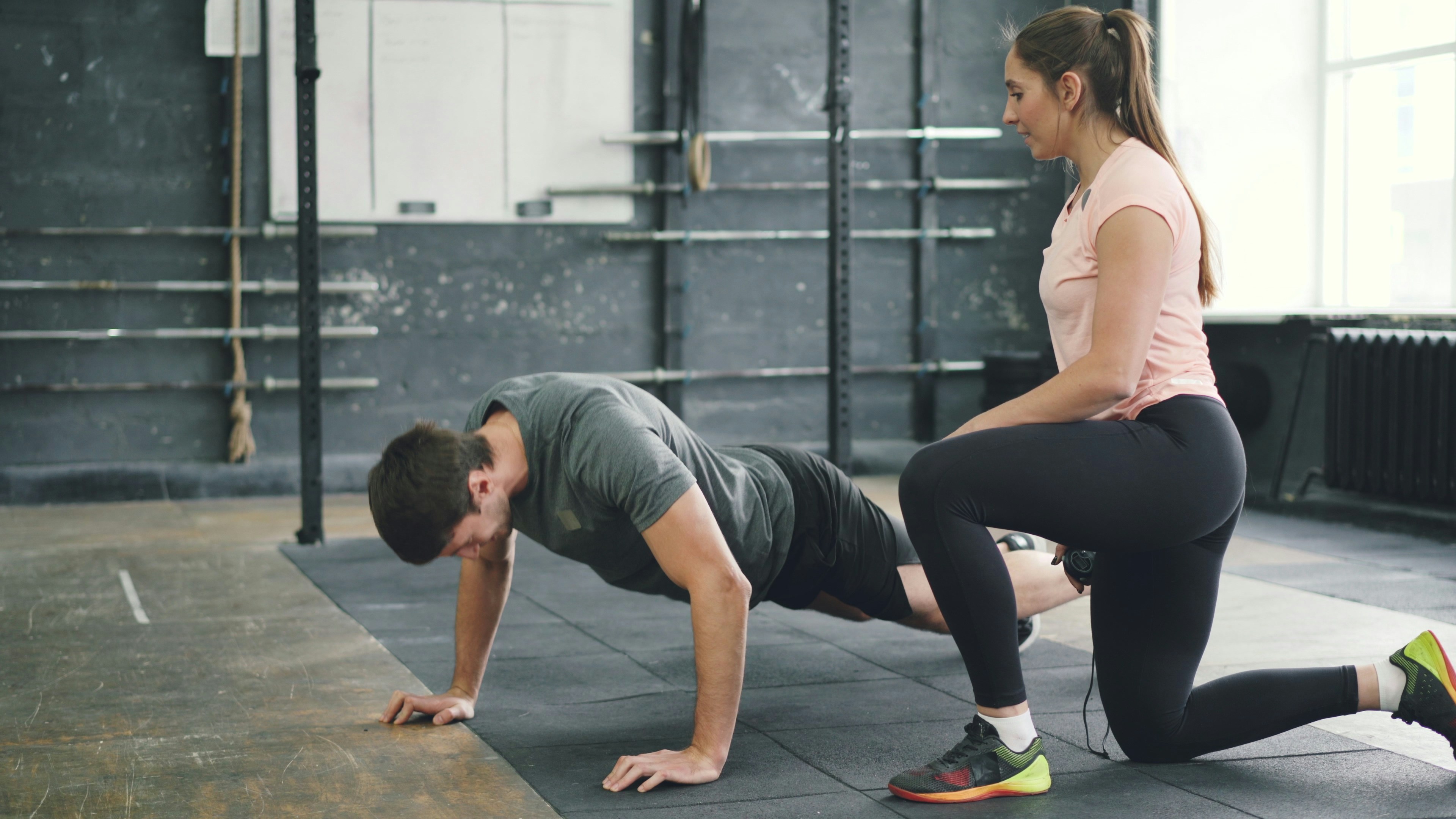
1. Start With Light Weights (or No Weights at All)
You don’t need heavy dumbbells on day one. In fact, starting light helps you learn proper form and control. Bodyweight versions of exercises like squats, lunges, rows, and push-ups are perfect for beginners. Once the movement feels comfortable, you can add weight gradually.
2. Focus on Form Before You Increase Weight
Proper form protects your joints and ensures you’re working the right muscles. A few universal form tips:
-
Keep your core gently engaged
-
Move slowly and with control
-
Keep your spine neutral (no arching or rounding)
-
Don’t rush through reps
Good technique always beats heavy lifting. When your form breaks, your weight is too heavy.
3. Learn the Key Movement Patterns
Most strength exercises fall into six basic movements:
-
Squat (lower body)
-
Hinge (deadlift-style movements)
-
Lunge (single-leg work)
-
Push (chest and shoulders)
-
Pull (back muscles)
-
Core stability (planks, anti-rotation work)
Mastering these patterns ensures you’re training your entire body evenly and safely.
4. Warm Up Before You Lift
A good warm-up prepares your muscles and joints for movement. Spend 3–5 minutes on:
-
Light cardio (walking in place, cycling)
-
Dynamic stretches (leg swings, arm circles)
-
Mobility drills (hip openers, shoulder rolls)
Warming up improves performance and lowers injury risk.
5. Start With 8–12 Reps Per Exercise
This rep range is ideal for beginners because it balances strength and control. Choose a weight that feels challenging by the last 2–3 reps but still allows good form. If you can easily do 15 reps, increase the weight. If you can’t reach 8 with good form, decrease it.
6. Rest Between Sets
Rest for 60–90 seconds between sets. This gives your muscles time to recover so you can maintain proper form. Lifting safely isn’t about speed — it’s about controlled, intentional movement.
7. Don’t Train the Same Muscle Group Every Day
Your muscles need time to rebuild after training. Rotate between:
-
Upper body
-
Lower body
-
Full body days
Aim for strength training 2–3 times per week, especially when you’re starting out.
8. Stop if Something Feels Sharp or Wrong
Muscle burn? Normal. Slight discomfort? Also normal. Sharp pain, pinching, or sudden pulling sensations? Not normal. Listen to your body and adjust the exercise or weight if needed. Safe lifting is about awareness.
9. Cool Down After Your Workout
Finish with gentle stretching for your legs, hips, chest, and shoulders. Cooling down helps reduce stiffness and improves flexibility over time.
__thumb__500x500__70__991d97d0a9baa84fc84403798c3f5115.jpg)