





Moving Services and Transportation
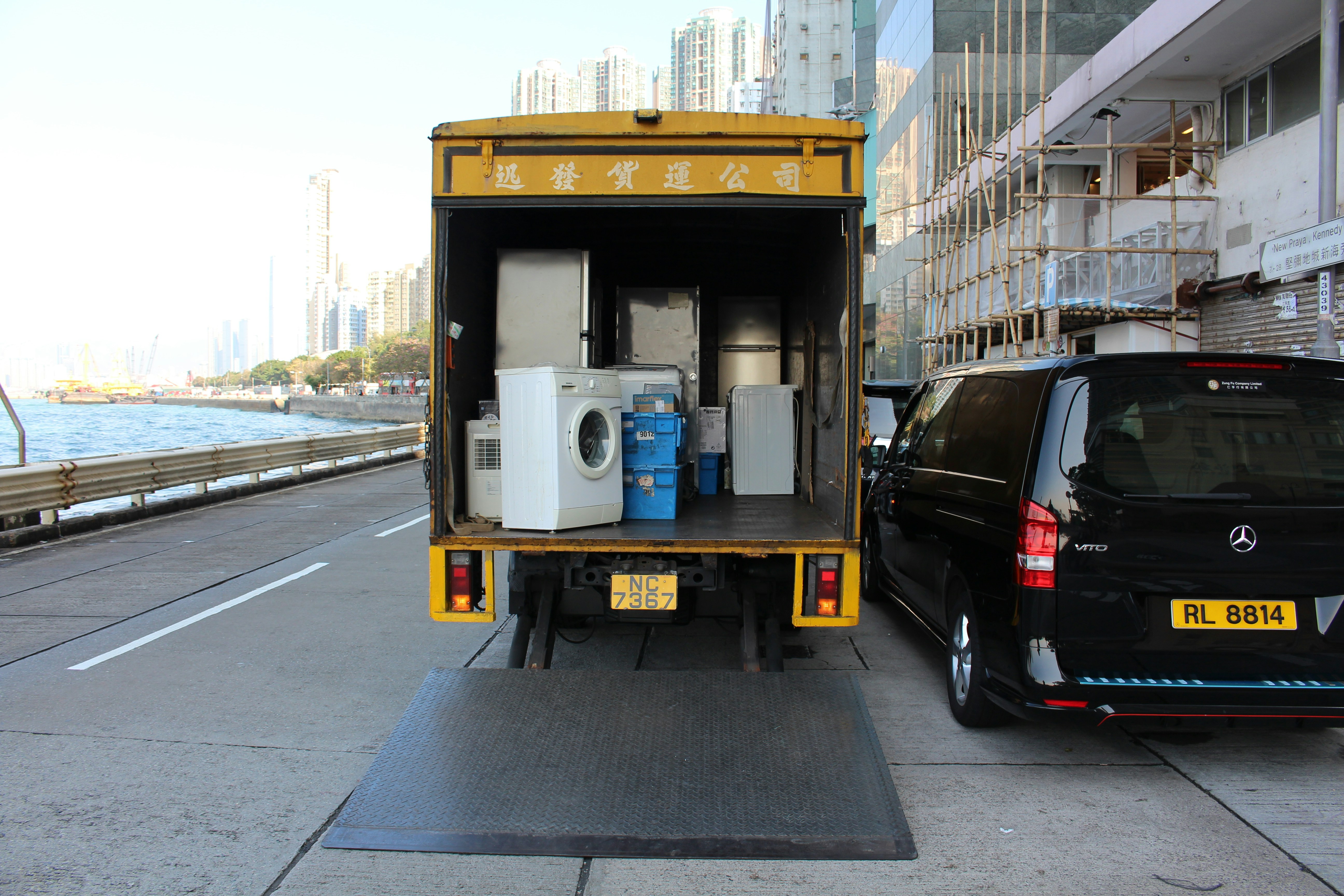
One of the biggest hidden costs is transporting your belongings. Hiring professional movers, renting a van, or paying for fuel and equipment can quickly add up. Costs vary based on distance, volume, and timing, with weekends and peak seasons often more expensive.
Packing Supplies and Preparation
Boxes, tape, bubble wrap, and protective materials are easy to underestimate. Even small moves require multiple supplies, especially for fragile items. Buying packing materials adds to costs, and last-minute purchases often come at higher prices.
Cleaning and End-of-Lease Costs
Many rental agreements require professional end-of-lease cleaning. Carpet cleaning, deep cleans, and minor repairs can be costly, especially if you’re trying to recover your full deposit. Homeowners selling a property may also need professional cleaning or staging services.
Time Off Work and Productivity Loss
Moving often means taking time off work, either for packing, moving day, or settling in. Lost wages or using paid leave has a financial impact that’s rarely factored into moving budgets.
Utility Setup and Connection Fees
Setting up utilities in a new home often involves connection or activation fees. Internet installation, energy deposits, and service transfers can create upfront costs that add up quickly, especially if you’re moving to a new area.
Furniture and Replacement Items
New spaces often require new items. Furniture that doesn’t fit, damaged items, or missing household basics may need replacing. Even modest purchases — curtains, storage solutions, or appliances — can stretch your budget.
Temporary Accommodation and Storage
Some moves involve short-term accommodation or storage, especially when move-in dates don’t align. Hotel stays, short-term rentals, or storage unit fees can become unexpectedly expensive.
Address Changes and Administrative Costs
Updating addresses, documents, and registrations may involve fees. Mail forwarding, new parking permits, and service changes all carry small costs that accumulate.
Budgeting for the Unexpected
Unexpected expenses are common during moves. Having a buffer helps cover last-minute costs without relying on credit cards or overdrafts.
__thumb__500x500__70__991d97d0a9baa84fc84403798c3f5115.jpg)