




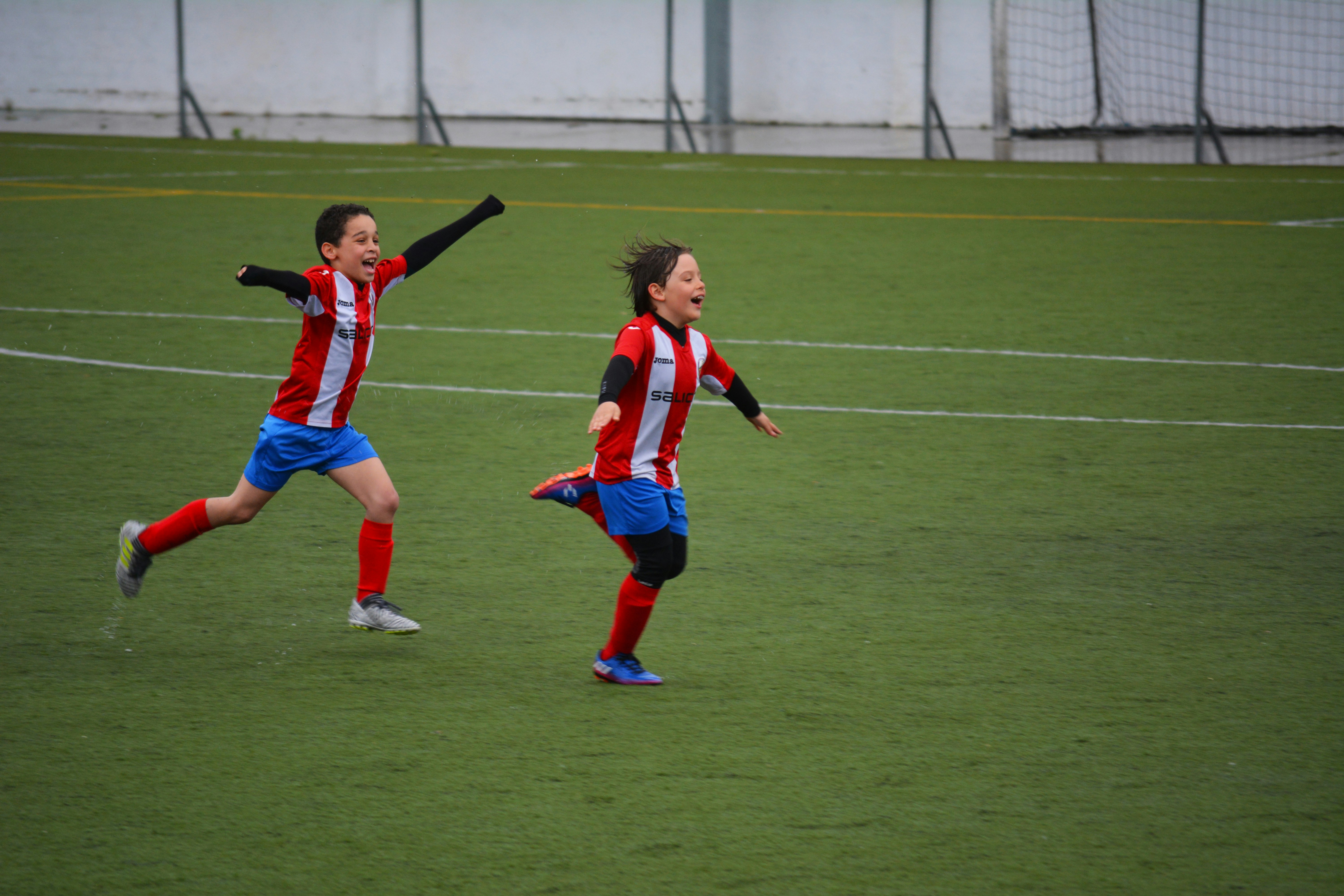
At the grassroots, five-a-side football, park runs, and recreational leagues provide low-barrier entry points. The value is predictability—same time, same place—which reduces decision fatigue. People are more likely to move when the cognitive load to start is minimal. Organizers who standardize start times, share clear session plans, and rotate roles (captain, equipment, logistics) create durable groups with shared ownership.
Digital layers amplify this cohesion. Live chat during games offers immediate debriefs; training clips circulated midweek become cues to action. Micro-challenges—steps, mobility streaks—inject manageable competition that rarely requires extra equipment. Because the feedback loops are social rather than purely performance-based, participants sustain engagement even when progress plateaus.
The inclusive design of community spaces matters. Venues with adequate lighting, changing areas, and safe transport links broaden participation. Mixed-ability formats and small-sided games keep ball contacts high and reduce long periods of inactivity, improving both enjoyment and cardio load. Injury risk is mitigated with standardized warm-ups, simple movement prep (squat patterns, lunges, ankle hops), and clear substitution rules to limit fatigue spikes.
Volunteer infrastructure is the unsung backbone. Training coaches in basic first aid, hydration protocols, and heat/cold guidelines builds confidence and reduces avoidable health incidents. Transparent codes of conduct—respect for officials, zero tolerance for harassment—maintain psychological safety, which is a prerequisite for sustained participation.
Economically, local sport is a small business catalyst—cafés, kit suppliers, transport. But the primary return is public health. When communities normalize weekly movement, incidental activity rises: people walk to training, stretch at home, and prioritize sleep before match night. The result is a culture where sport is not an event but a habit embedded in social life.
__thumb__500x500__70__991d97d0a9baa84fc84403798c3f5115.jpg)