




What a Mortgage Actually Is
A mortgage is a loan used to buy property. You borrow money from a lender and repay it over time, usually over 20 to 30 years, with interest. The home itself acts as security for the loan, which is why lenders can offer lower interest rates compared to other types of borrowing.
The Main Parts of a Mortgage
Every mortgage has four key elements:
-
Principal: the amount you borrow
-
Interest: the cost of borrowing the money
-
Term: how long you take to repay the loan
-
Monthly payment: the amount you pay each month
Understanding these components helps you see how changes in interest rates or loan length affect your total cost.
Fixed vs. Variable Rate Mortgages
One of the first choices you’ll make is between a fixed-rate and a variable-rate mortgage.
A fixed-rate mortgage keeps the same interest rate for the entire term. Your monthly payments stay predictable, which makes budgeting easier.
A variable-rate mortgage changes with the market. Your payments may go up or down over time. These loans can start cheaper but come with more uncertainty.
First-time buyers often prefer fixed rates for stability.
Down Payments Matter More Than You Think
Your down payment is the amount you pay upfront toward the purchase price. A larger down payment reduces how much you need to borrow, lowers your monthly payments, and can help you qualify for better interest rates. While some loans allow small down payments, putting more down can save you significant money over time.
Additional Costs Beyond the Mortgage
Many first-time buyers focus only on the monthly mortgage payment, but there are other costs to plan for:
-
Property taxes
-
Home insurance
-
Maintenance and repairs
-
Legal and closing fees
-
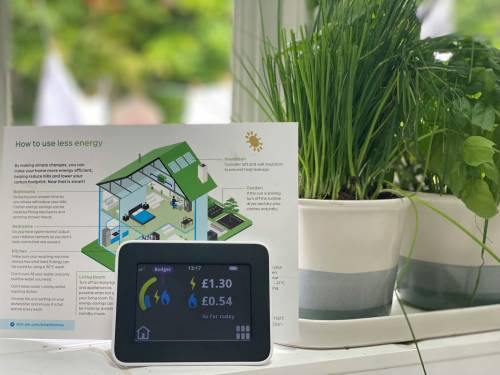
Utility bills
These ongoing costs affect affordability just as much as the loan itself.
How Much Can You Really Afford?
Just because a lender approves you for a certain amount doesn’t mean you should borrow the maximum. A comfortable mortgage leaves room in your budget for savings, emergencies, and everyday life. A good rule is to keep housing costs at a level where you can still save and live without stress.
Why Your Credit Score Matters
Your credit score affects the interest rate you’re offered. A higher score usually means lower rates and lower monthly payments. Before applying, check your credit report, pay bills on time, and reduce outstanding debt where possible.
Get Pre-Approved Before You Shop
Mortgage pre-approval shows sellers that you’re serious and gives you a clear idea of your budget. It also speeds up the buying process and helps prevent disappointment later.
__thumb__500x500__70__991d97d0a9baa84fc84403798c3f5115.jpg)